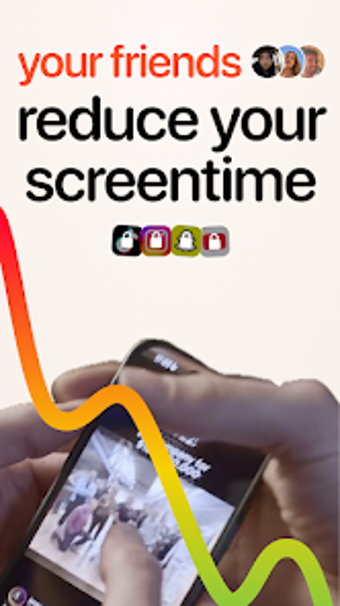
A social-first screen-time app that turns limits into team goals
Useless - Screen time control, by Dadama, turns screen-time management into a social experience that pairs peers to curb phone overuse. The app blocks access when limits are hit and requires friend approval for extensions, replacing solo snoozes with social judgment. Key cues include a shared 'Walk of Shame' log and strict lockdown options. Students, close friend groups, and serial procrastinators gain visible accountability to reduce compulsive scrolling.

Unlock your creativity with Adobe Stock
Get 10 images or 1 video with a free trial
Useless turns self-discipline into competitive habits
The app frames focus as a team objective through weekly leaderboards and streak tracking that reward collective restraint. It supports configurable daily limits and schedules so individuals can assign time budgets to specific apps and define work or sleep windows. Those mechanics make productivity measurable: users compare discipline hours and streaks, which converts private willpower into public progress within a group.
Privacy centers on local monitoring and selective sharing
Monitoring uses system-level APIs to gather screen-time data locally, and only the explicit extension requests you send are shared with selected contacts. Shared items include the photo and the written reason you attach to a request; other usage metrics remain on-device. The app offers solo modes, but its core accountability features require connecting with friends, so privacy choices map to how broadly you invite peers.
Platform reach and enforcement depend on social setup
Useless runs on Android (required version varies by device) and is also available on iOS 18.0 or later, so the app spans phones across ecosystems. A strict lockdown setting prevents deleting limits, logging out, or using shortcuts to bypass blocks, leaving release control to peers when enabled. Expect some onboarding overhead: full enforcement needs an established accountability circle before its social controls take effect.
Useless is best for people who accept peer pressure as a productivity tool
Useless is a practical option for groups or individuals who need external accountability to enforce screen-time commitments. A key consideration is the required social setup: its core effect depends on inviting trusted peers and exposing extension requests. It suits anyone prepared to make short lapses visible to a circle and who prefers peer-mediated limits over solo blocking methods.